Bessent Treasury bond buybacks face skepticism from Stanley Druckenmiller
Treasury will expand long-dated bond buybacks in September, but Druckenmiller says lasting lower yields require fiscal action.
By Maya Okafor · Markets Writer
· 3 min read

Bessent Treasury bond buybacks will expand in September after a sharp rise in long-term borrowing costs. The move initially pushed Treasury yields lower, according to Reuters, but investor Stanley Druckenmiller and other market commentators question whether it can have a lasting effect for bond investors, households and the federal government.
The Treasury Department said Aug. 19 that it will raise the maximum size of certain liquidity-support buybacks from $2 billion to at least $4 billion per operation. The program covers previously issued nominal coupon securities in the 10- to 20-year and 20- to 30-year ranges, beginning Sept. 9 and running through Nov. 4.
Treasury said its purpose is to provide greater liquidity support in longer-dated sectors where it has received substantial high-quality offers from market participants. Liquidity, in this context, refers to how readily securities can be bought and sold. The department did not say in its announcement that the program was intended to control yields.
Why do investors doubt Bessent Treasury bond buybacks?
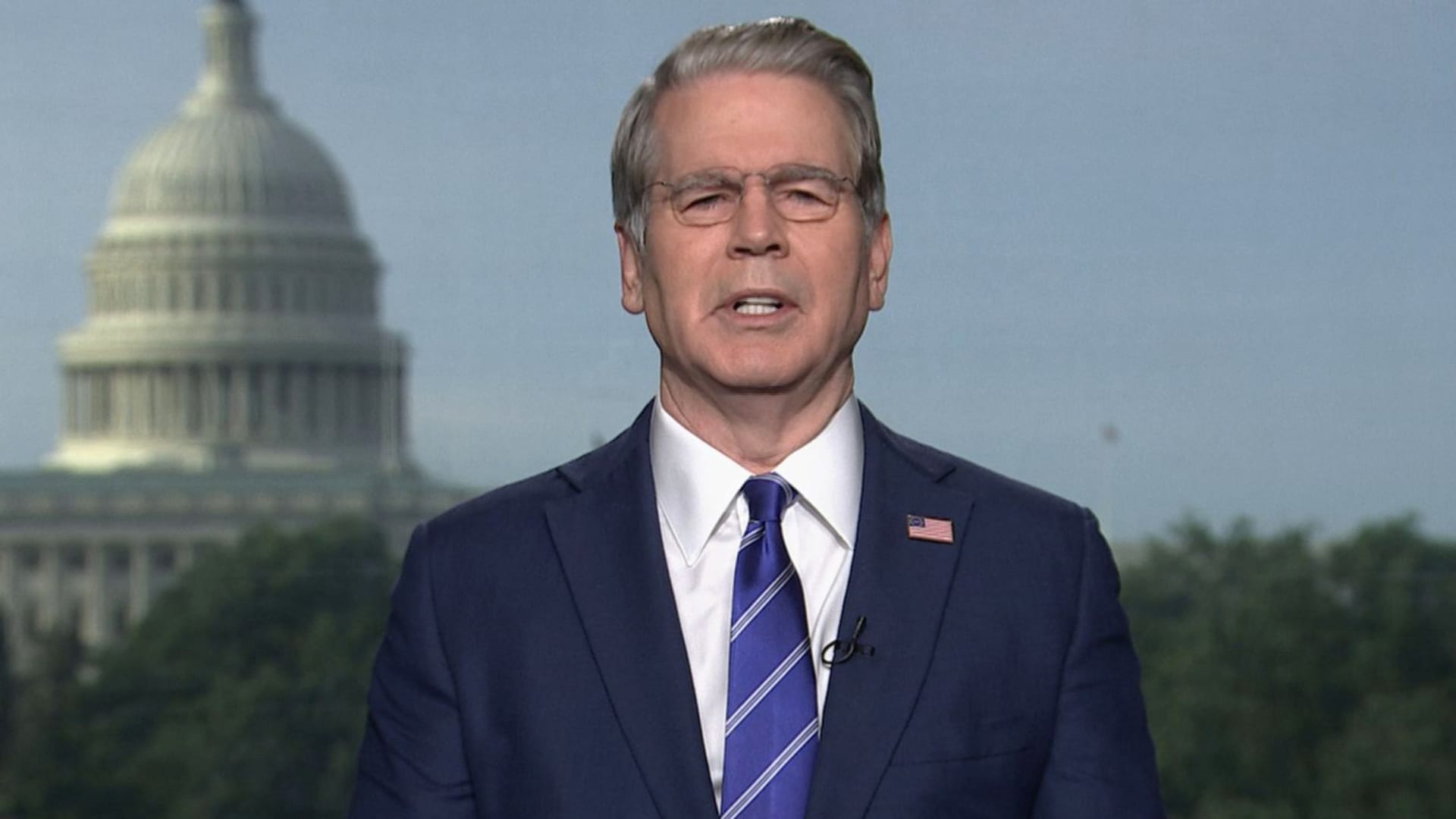
Druckenmiller, who led Duquesne Family Office and previously served as Bessent's investing mentor when both worked with George Soros, argued in a Wall Street Journal opinion essay that bond purchases are not a durable answer to high long-term yields. CNBC reported that he urged the Treasury to address the primary deficit instead.
According to CNBC's account of the essay, Druckenmiller warned that efforts to hold yields down artificially could damage the department's credibility. He wrote that if a 30-year yield of 5.5% is needed for the market to clear, that should be viewed as a signal about the government's fiscal position rather than a crisis.
The scale is central to that criticism. Reuters reported that the increased operations would add at least $14 billion of liquidity support in the current quarter. That compares with a $32.2 trillion Treasury debt market as of Aug. 17 and about $5.5 trillion in outstanding 20- and 30-year bonds as of July 31.
Reuters also reported that the 30-year Treasury yield hit 5.34% on Aug. 18, then traded at 5.184% after the Aug. 19 announcement. That immediate decline showed markets responded to the news, but it does not establish the program's longer-term results.
What the buybacks do, and what they do not do
Buybacks mean Treasury purchases securities it has already issued. Citi's Dan Gottlander told Reuters the step could have a large impact on the long end of the market, while adding that it does not change federal deficits and Treasury still must issue debt to fund the government.
Peter Boockvar of One Point BFG Wealth Partners described the measure to CNBC as a reshaping of Treasury's maturity schedule rather than a reduction of debt. Evercore ISI analysts likewise questioned whether the effect would last given the government's financing needs for maturing debt and deficits, Reuters reported.
Another open question is the Federal Reserve. Ryan Swift, chief strategist at BCA, wrote that sustained yield suppression would require the Fed to use its balance sheet, CNBC reported. Treasury has a finite cash balance, while the Fed can create reserves to finance purchases. That is Swift's analysis, not a stated Fed plan.
The next test begins when the larger operations start Sept. 9. Investors will be watching whether long-term yields remain lower as fiscal conditions, inflation, debt issuance and expectations for Federal Reserve policy evolve.
This story draws on original reporting from CNBC.