Kevin Warsh inflation comments stress unfinished work and a quieter Fed
Fed Chair Kevin Warsh said inflation progress remains insufficient, while declining to signal a rate path at Jackson Hole.
By Sofia Marchetti · Columnist
· 3 min read
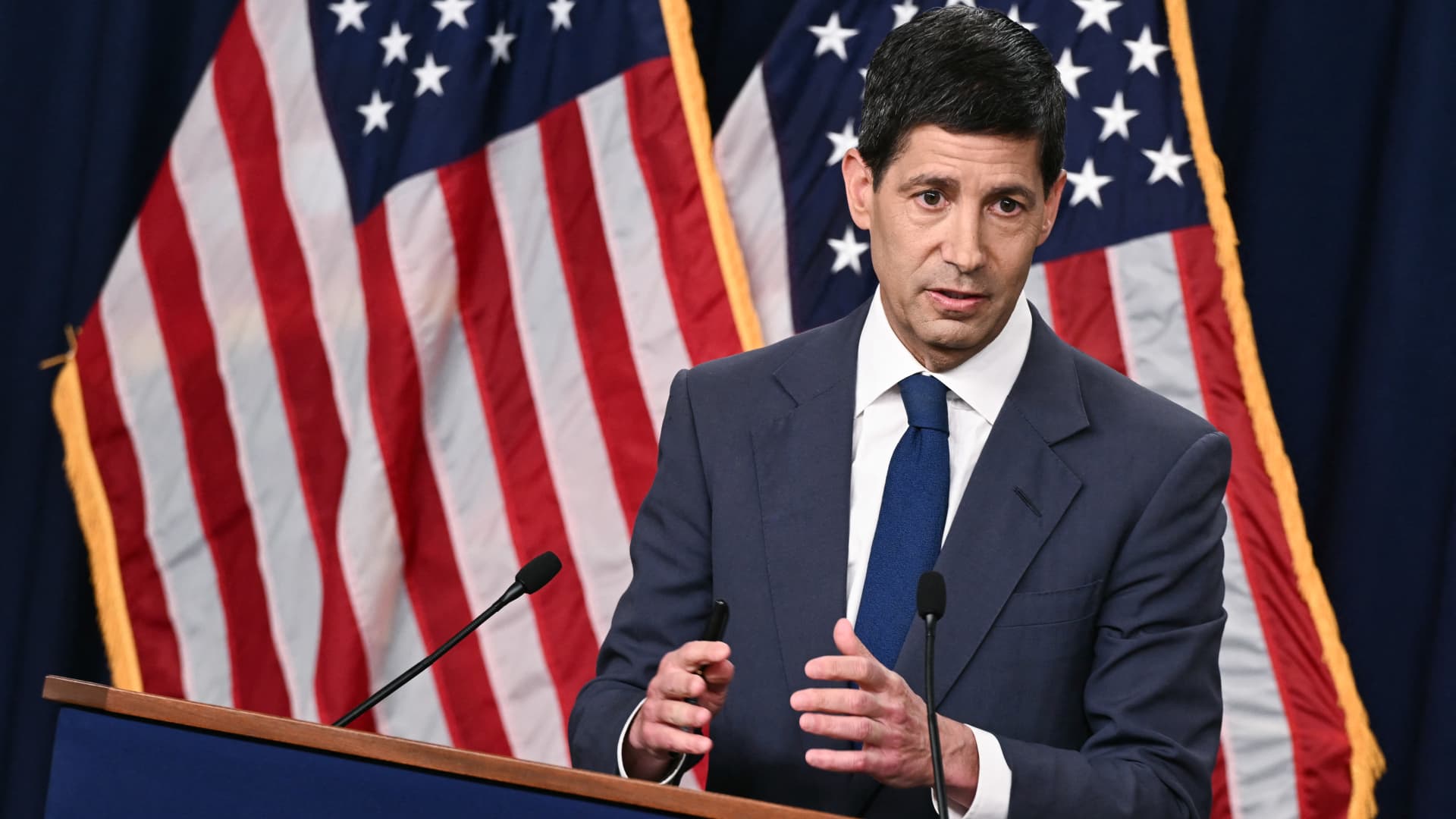
Kevin Warsh inflation comments at the Federal Reserve’s Jackson Hole symposium put the focus on price pressures that he said have not improved enough beneath the surface. For investors, the key distinction is that Warsh voiced concern about inflation without announcing an interest-rate move or committing the Fed to one.
In an August 28 keynote titled “In Our Time”, Warsh said better-than-expected inflation readings during the summer did not persuade him that underlying trends had “meaningfully improved,” according to CNBC.
“We must be confident that underlying inflation is moving to our objective, clearly and at sufficient speed,” Warsh said, according to CNBC. “Otherwise, we have work to do.” He described keeping inflation in check as the Fed’s primary focus, while saying the economy appeared to have strengthened.
Did Kevin Warsh announce a Fed rate hike?
No. Warsh did not announce a rate change, promise an increase at a future meeting, or lay out a specific path for interest rates. CNBC reported that he avoided both forward guidance and an explicit reaction function for monetary policy.
Forward guidance is a central bank’s communication about likely future policy decisions. A reaction function is a stated set of economic conditions that would lead policymakers to adjust rates. Warsh’s remarks withheld both forms of advance signaling. In his prepared remarks, he said he was committed to “a discipline, not to a decision,” CNBC reported.
That leaves his speech as an assessment of inflation and a statement of policy philosophy, rather than a decision by the Federal Open Market Committee. CNBC reported that CME Group’s FedWatch tool showed markets pricing a 55.7% probability of a September rate increase after the address, about 20 percentage points higher than a day earlier. That market-derived measure reflects trading expectations, not a Fed forecast or commitment.
CNBC also reported that stocks rose after the speech and Treasury yields moved higher. The yield on the policy-sensitive two-year Treasury note climbed nearly 8 basis points to 4.31%, its highest level since late July, according to the network.
What does a quieter Federal Reserve mean?
Warsh called for a “quieter Fed, more purposeful in its communications,” CNBC reported. His objection is to a system in which market participants look primarily to the central bank for their next trade. The Fed sets short-term interest rates, Warsh said, so markets will seek to anticipate its decisions. But he said the institution should not encourage excessive reliance on each policy signal.
Warsh has said he has long been uncomfortable with early pronouncements on future policy decisions, according to the Fed’s published speech. His rejection of routine forward guidance points to fewer explicit policy cues, though it does not set a new rate rule.
CNBC reported that Warsh had initiated five task forces after taking office in May. In the official speech, he said their recommendations would arrive later and would not affect decisions in the current policy setting. He also cited artificial intelligence as a possible new factor of production, while stressing that its effects on productivity, jobs, capital and market structure remain unresolved.
This story draws on original reporting from CNBC.