Treasury counselor dismisses IMF warning on U.S. debt
David Zervos questioned the IMF’s forecasting record after Kristalina Georgieva said U.S. growth needs fiscal measures to curb debt.
By Maya Okafor · Markets Writer
· 3 min read
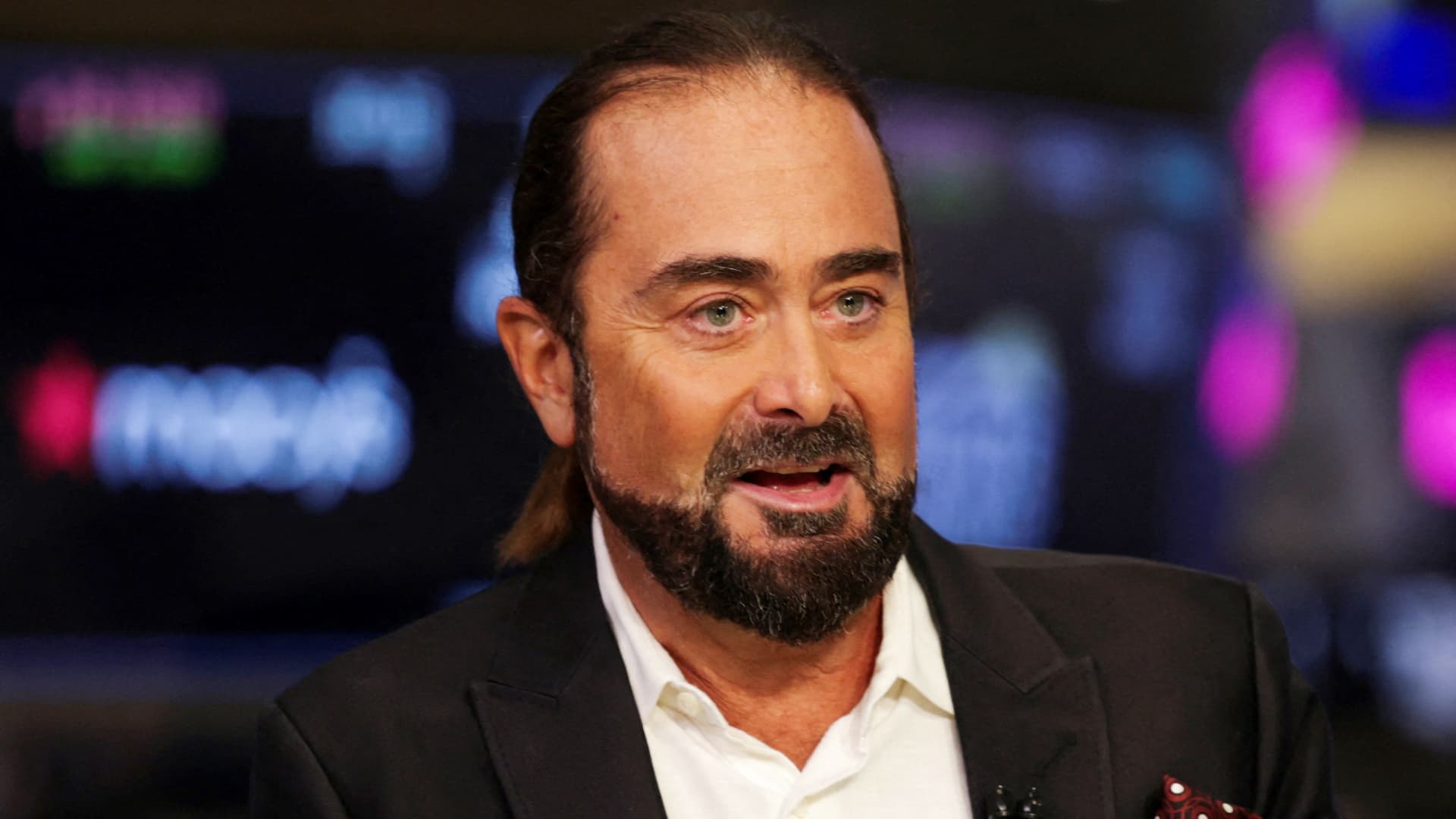
Treasury dismisses IMF debt warning: David Zervos, a counselor to Treasury Secretary Scott Bessent, challenged the fund’s forecasting record after its managing director said economic growth alone would not put U.S. debt on a sustainable path fast enough. The exchange sets out a clear disagreement over whether stronger growth and spending restraint can do the job or whether further fiscal action is needed.
Zervos made the comments in an email to CNBC after Kristalina Georgieva spoke at the IMF-World Bank annual meetings in Bangkok. He said the IMF’s past forecasts had been “messy” and said its conclusions should be treated cautiously, according to CNBC.
The Treasury Department announced on Sept. 28 that Zervos would serve as a counselor in the Office of the Secretary. He joined from Jefferies, where Treasury said he had been chief market strategist and head of the Global Macro Division for Leucadia Asset Management.
Why did Treasury dismiss the IMF debt warning?
Zervos’s response focused on examples he said cast doubt on the IMF’s record. According to CNBC, he pointed to the fund’s outlook for global growth in 2008, its view of Southeast Asia before the 1997 regional crisis, assessments of Russia in 2022, Argentina after an IMF bailout, Greece, and its characterization of U.S. inflation as transitory.
Those examples were Zervos’s argument against giving the IMF’s warning much weight. The available reporting does not establish them as an independent assessment of the IMF’s forecasting performance.
Georgieva’s position was more specific: growth can help, she said, but it cannot make the necessary fiscal adjustment quickly enough by itself. She said fiscal measures would be necessary, CNBC reported. Fiscal measures generally refer to government decisions on taxes, spending, or both, though Georgieva did not detail a particular U.S. package in the reported remarks.
What is Bessent’s approach to the debt ratio?
Bessent has argued that U.S. growth above 3%, combined with spending restraint, could bring down the debt-to-GDP ratio, according to CNBC. That ratio compares government debt with the size of the economy. His stated approach differs from Georgieva’s view that growth would need to be supplemented by measures to improve the federal budget balance.
The debate comes with debt and deficits already at elevated levels. CNBC reported that federal debt had surpassed $40 trillion. It also reported the IMF’s October forecast that U.S. gross government debt would reach 142% of GDP by 2031, while the fiscal-2026 deficit would exceed 6% of GDP.
CNBC also reported that the IMF expected U.S. growth of 2.3% in both 2026 and 2027. Benchmark 10-year Treasury yields were about 5.2% on the Wednesday covered by its report.
No policy change or Treasury borrowing-plan adjustment was announced alongside Zervos’s comments. The immediate development was a public dispute over the credibility of the IMF’s forecasts and the policy mix needed to address U.S. debt.
This story draws on original reporting from CNBC.