Ford CEO urges U.S. caution on Chinese automakers, calls Europe too late
Jim Farley said U.S. policymakers should weigh Chinese automakers’ entry carefully as Ford partners with Chinese companies in selected areas.
By Maya Okafor · Markets Writer
· 3 min read
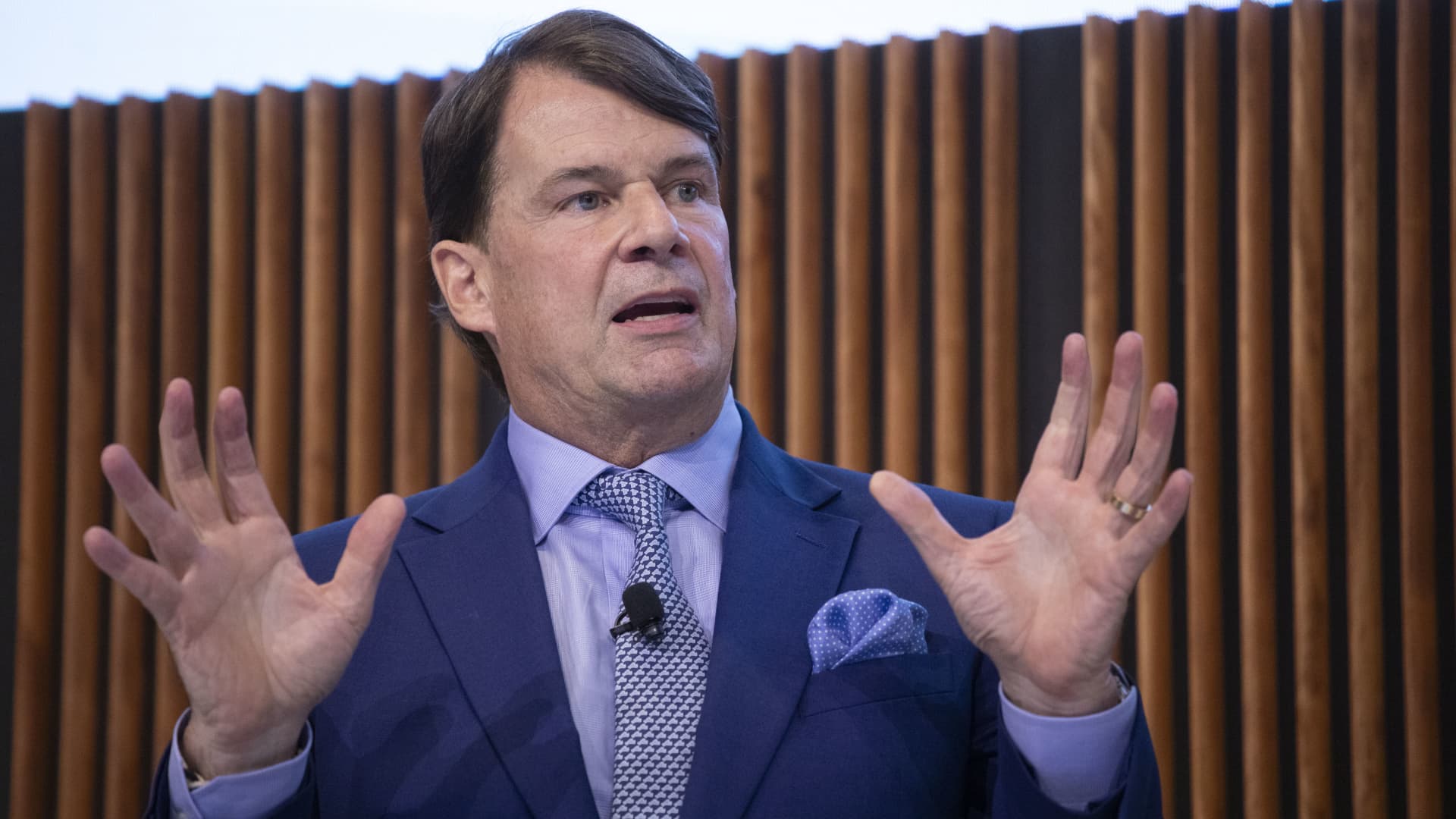
Ford CEO Jim Farley said the U.S. should move carefully on Chinese automakers entering the country, while describing Europe as already facing a problem it did not address in time. For investors following Ford CEO Chinese automakers comments, the key point is that Farley is advocating caution on vehicle-market access even as Ford continues selected technology and manufacturing partnerships with Chinese companies.
Speaking at the Automotive News Congress in Detroit on Sept. 29, Farley said U.S. policymakers should take lessons from Europe when deciding whether and how Chinese vehicle makers can enter the American market. He said Europe was “too late,” a judgment he made in response to Chinese brands’ expansion there, according to Reuters and CNBC.
The European growth is measurable. Chinese automakers’ share of the European market rose from virtually zero in 2020 to 12% in August, according to Dataforce figures reported by CNBC.
Why is Ford urging caution on Chinese automakers in the U.S.?
Farley said the U.S. needs to be extremely careful about the terms under which Chinese original equipment manufacturers, or OEMs, enter the country. An OEM is a company that designs and produces vehicles sold under its own brand. He did not call for an immediate opening of the U.S. market, Reuters reported.
Current U.S. policy has largely kept Chinese vehicles out. Reuters reported that tariffs exceeding 100% and a ban on Chinese-made vehicle software have effectively closed off the market. That backdrop could change: CNBC reported that President Donald Trump said he might be open to Chinese automakers producing vehicles in the U.S., while bills in Congress could restrict or permanently bar Chinese automotive brands from the market.
Ford’s approach combines partnerships and competition
Farley presented Ford’s strategy as two tracks. The company will work with Chinese firms where Ford lacks expertise or where a partnership makes financial sense, while competing directly against Chinese automakers in vehicle sales.
Ford’s relationship with Chinese battery maker CATL is one example. Reuters reported that Ford is working with CATL to make lower-cost batteries at a Michigan plant. Ford also announced a July agreement with Geely to jointly develop electric cars for Europe, Reuters reported. CNBC said Geely plans to build electric vehicles at Ford’s Spanish plant through a new manufacturing joint venture.
Those arrangements have drawn scrutiny in Washington. Transportation Secretary Sean Duffy wrote this month that Ford’s Chinese-company deals could leave the automaker “intertwining its future with Chinese state-backed enterprises,” Reuters reported. CNBC separately reported that the administration expressed concern about Ford’s ties to Chinese companies.
Farley’s position is not a declaration of a new U.S. rule or a forecast about Ford’s results. It is a policy argument from the head of a U.S. automaker that is trying to use Chinese technology in defined areas while preparing to compete with Chinese brands abroad.
This story draws on original reporting from CNBC.