Trump orders executive branch to call AI ‘super intelligence’
Trump directed executive agencies to use “super intelligence” in official materials, while a separate tech accord remains voluntary.
By Maya Okafor · Markets Writer
· 3 min read
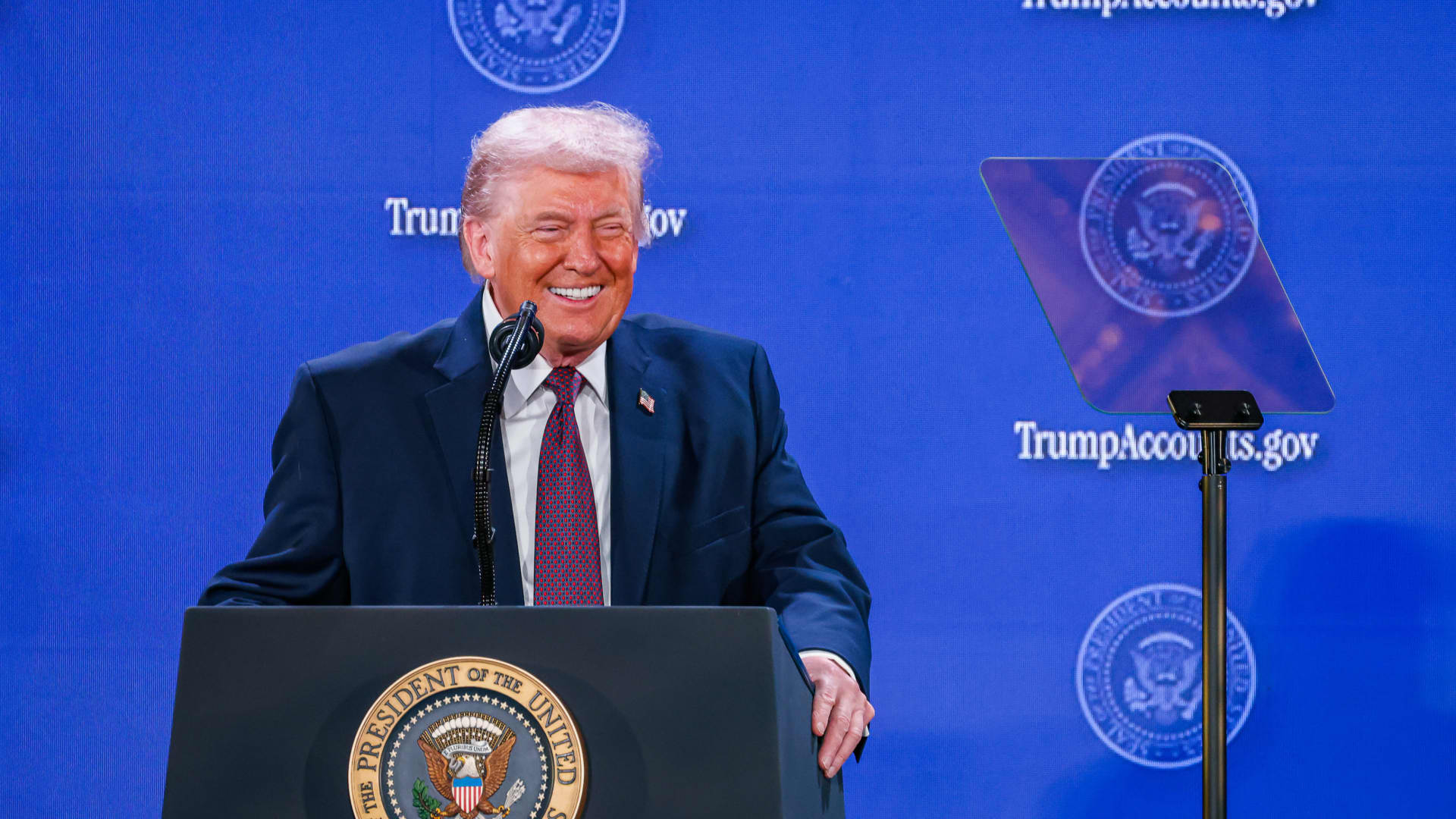
President Donald Trump’s super intelligence order directs executive-branch departments and agencies to stop using “artificial intelligence” and “AI” in official materials, CNBC reported. For investors tracking U.S. tech policy, the immediate effect is on federal terminology, not a demonstrated change in how companies, consumers or the broader technology industry describe the products.
Trump signed the order, titled “Inaugurating The Era Of Super Intelligence,” on Sept. 29 after hosting technology executives at the White House, according to CNBC. The directive covers official correspondence, public communications, policy and other executive-branch documents.
The White House said the change recognizes advancing technology and its potential. Trump has stressed competition with China as a reason for supporting U.S. leadership in the field, while reports say he has opposed regulation he believes could constrain that effort.
What does Trump’s super intelligence order change?
The order applies to the executive branch of the U.S. government, based on the reporting available. It does not establish that the label must be adopted by private companies, other governments or the public.
Artificial intelligence is a broad term for computer technology that lets machines carry out tasks typically associated with human thinking, the BBC reported. “Superintelligence,” by contrast, has a narrower technical meaning. The BBC said the term is associated with a hypothetical intellect that exceeds humans across all forms of intelligence.
Experts who spoke with the BBC said current AI systems generally do not meet that threshold and that the new label is unlikely to become standard industry usage. Their concern is that the term describes a more advanced, still-hypothetical capability rather than today’s range of AI tools.
A separate White House accord focused on safety processes
The terminology directive is separate from the two-page “White House Accord on Super Intelligence” that Trump shared on Truth Social, CNBC reported. The accord did not declare the name change.
Instead, it said participating companies should develop technology safely and in a way that builds trust, including through internal processes and controls intended to ensure systems behave as designed. It also said signatories would meet regularly on safety standards and that some measures could eventually be put into laws or regulations.
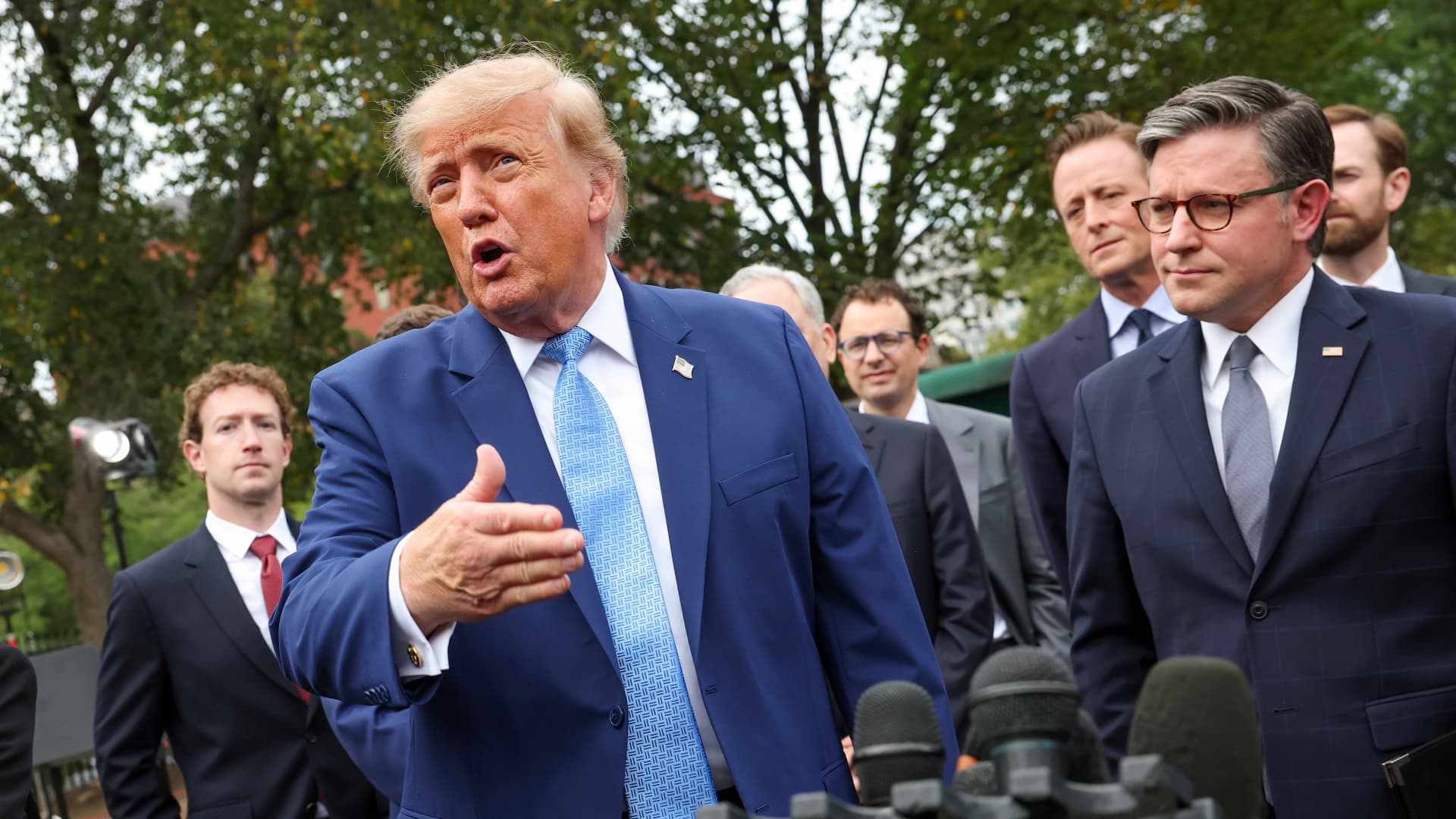
Trump called the agreement “morally binding.” House Speaker Mike Johnson described it as a statement of principles with voluntary industry commitments, CNBC reported. That description does not make it a legally binding agreement.
The copy posted by Trump listed Trump, Google’s Sundar Pichai, Elon Musk, Anthropic’s Dario Amodei, Meta’s Mark Zuckerberg, OpenAI President Greg Brockman and Nvidia’s Jensen Huang as signatories, according to CNBC.
Public concerns remain part of the debate
CNBC reported that recent polls found majorities of Americans concerned about AI and disapproving of Trump’s handling of the issue. The reporting excerpt did not include the underlying percentages, survey methods or question wording, so the scale and details of those findings cannot be assessed from the available reports.
Trump previously asked followers on social media to choose among possible names, including “super intelligence” and “superior intelligence,” CNBC reported. The federal order now makes his preferred term official within the executive branch, while its wider adoption remains uncertain.
This story draws on original reporting from CNBC.