Trump Venezuela oil deal is unlikely to cut gas prices soon
The agreement covers 65 billion barrels in Venezuelan reserves, but investment, repairs and unclear terms stand between those barrels and U.S. pumps.
By Maya Okafor · Markets Writer
· 3 min read
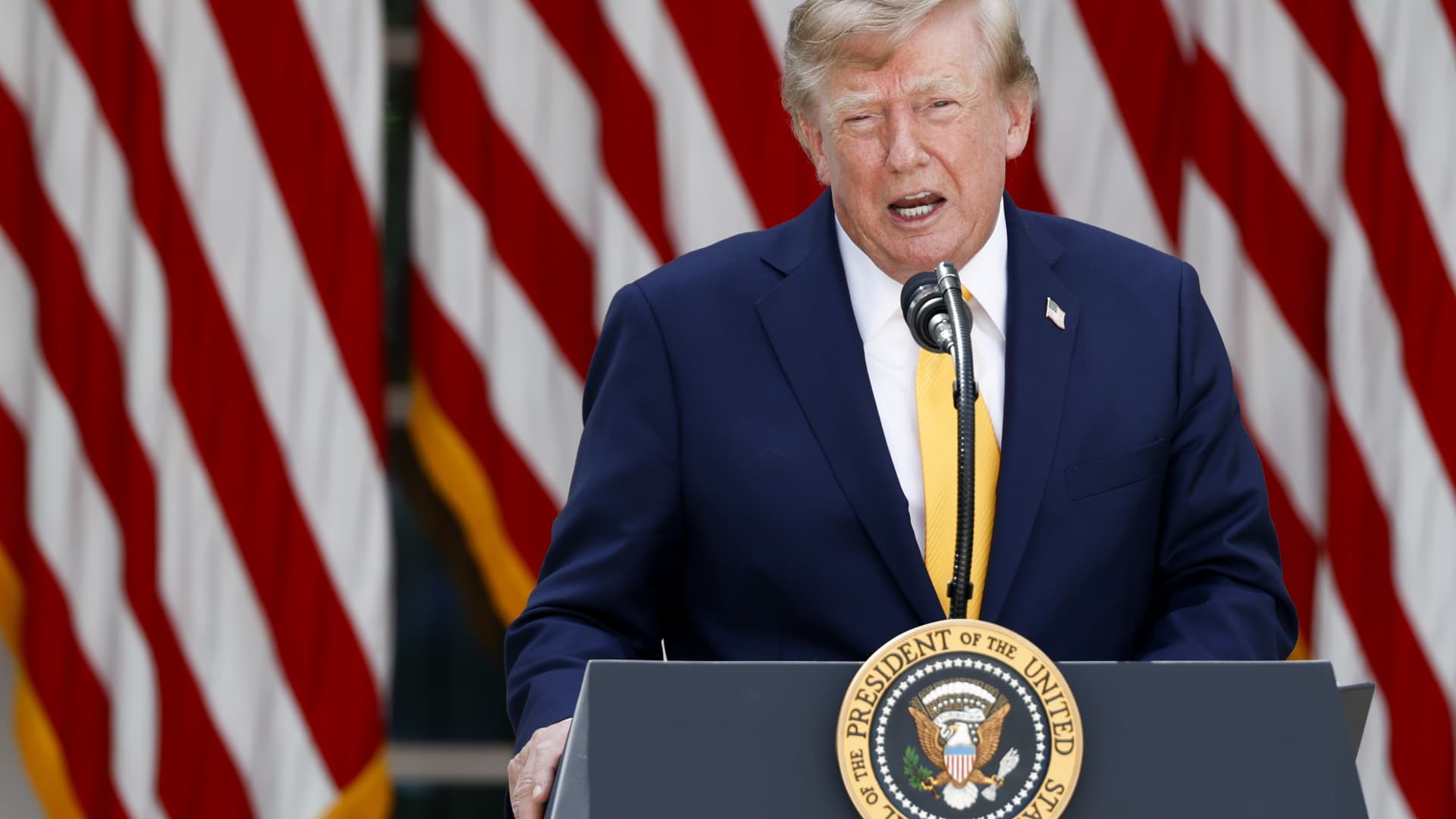
The Trump Venezuela oil deal gas prices debate comes down to timing. President Donald Trump said Friday that an arrangement to develop Venezuelan fields would lower fuel costs for Americans over the long term, but analysts say it does not create an immediate new supply of crude for U.S. refiners or gasoline stations.
The announced project involves 17 Venezuelan oil fields with 65 billion barrels of proven reserves, according to statements from acting Venezuelan President Delcy Rodríguez reported by CNBC and PBS NewsHour. The White House had not released the agreement text as of the reports, leaving the operator, financing and key legal terms unresolved.
That distinction matters for drivers and investors: oil reserves are barrels still underground. Before they can influence prices at the pump, companies need to finance projects, rehabilitate fields and facilities, move crude through export terminals, process it at refineries and distribute gasoline.
Why won’t the Venezuela oil deal lower gas prices soon?
Venezuela’s oil sector is operating well below its historic capacity. CNBC reported production at roughly 1.2 million barrels a day, compared with a late-1990s peak of 3.5 million barrels a day. CBS News, citing OPEC data, put second-quarter output closer to 1.1 million barrels a day.
Years of underinvestment have left infrastructure in poor condition, according to the reporting. Analyst Andy Lipow told CNBC that tankers can wait as long as 30 days to load because of aging facilities and power outages affecting ports. Former State Department energy envoy David Goldwyn said export terminals would need expansion to support greater output.
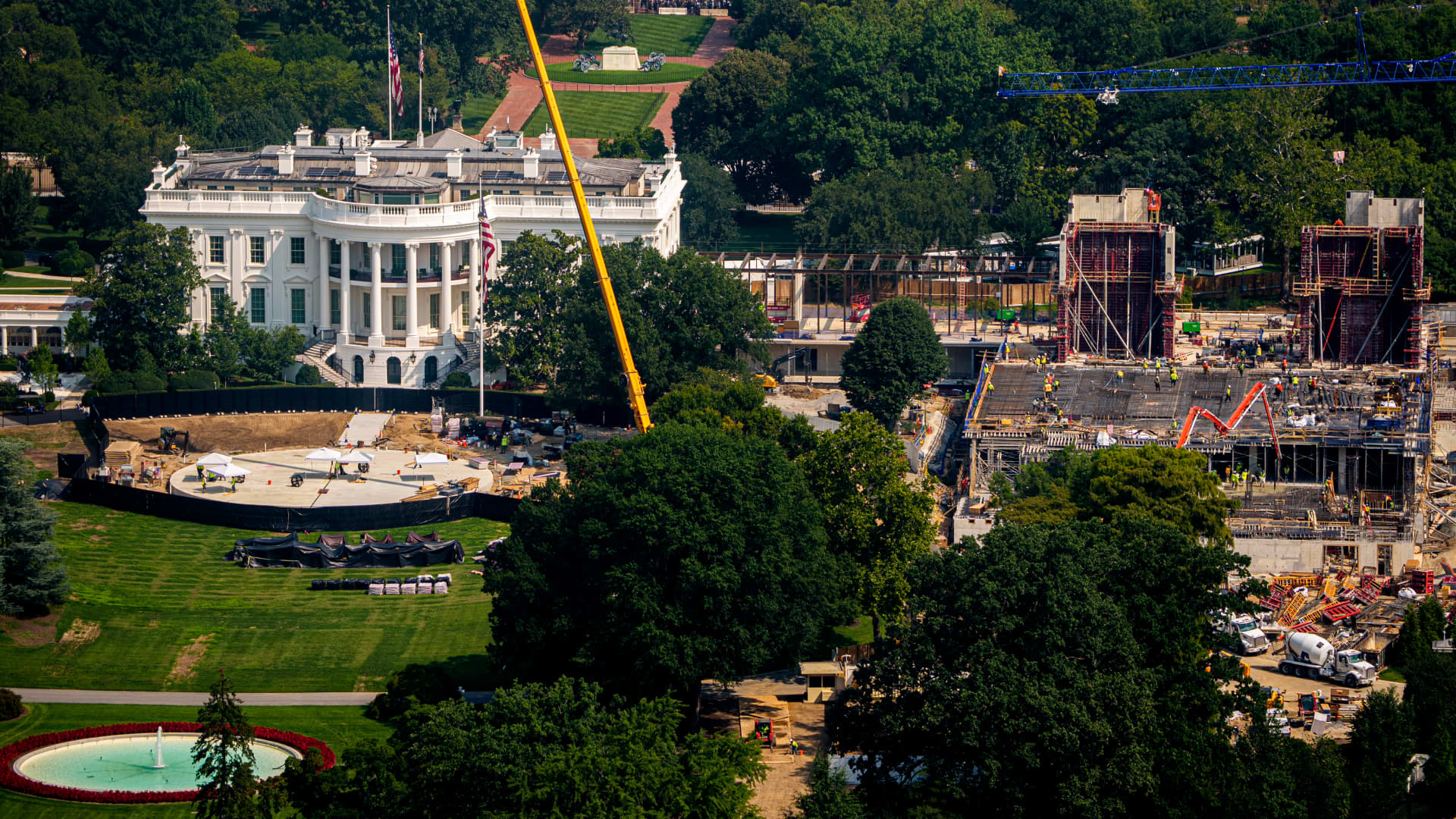
The fields add another obstacle. Goldwyn told CNBC that fields in the Orinoco Belt have little or no infrastructure access and could take five to seven years, at best, to add supply to the market. Other estimates are also measured in years: CBS cited an analyst’s five-to-15-year range before Venezuelan flows could be large enough to affect U.S. gasoline prices.
Money and commercial commitment are not settled. Rystad Energy estimated Venezuela would need about $180 billion of investment through 2040 to return to its former production peak, CNBC reported. Other estimates cited by CBS put the need at at least $100 billion. Secretary of State Marco Rubio has said the project could bring nearly $100 billion of private investment, but that is a projection rather than confirmed funding.
There are also reasons potential operators may hesitate. Chevron is the only major U.S. oil company currently active in Venezuela, CNBC reported. CBS said prior asset confiscations, followed by compensation cases involving ExxonMobil and ConocoPhillips, could make companies wary. Analysts have also pointed to political and legal risks if leadership changes in Washington or Caracas.
Even future barrels may not map neatly onto U.S. gasoline output. Venezuelan heavy crude is more difficult to turn into gasoline than the lighter crude many U.S. refineries typically process, CBS reported.
For now, broader disruptions are more relevant to prices. AAA data cited by CNBC put the national average at $4.08 a gallon on Monday, while the report attributed upward pressure to the Iran war’s effect on Middle East supply and attacks on Russian refineries. The project could add supply over decades if development proceeds, but the available evidence does not indicate a prompt reduction in retail gasoline prices.
This story draws on original reporting from CNBC.