US opens 60-day window for Iranian oil sales in dollars
A Treasury waiver lets Iran sell oil in dollars through Aug. 21, a move analysts say could bring Tehran billions and shift Chinese crude buying.
By Priya Nair · Economy Reporter
· 3 min read
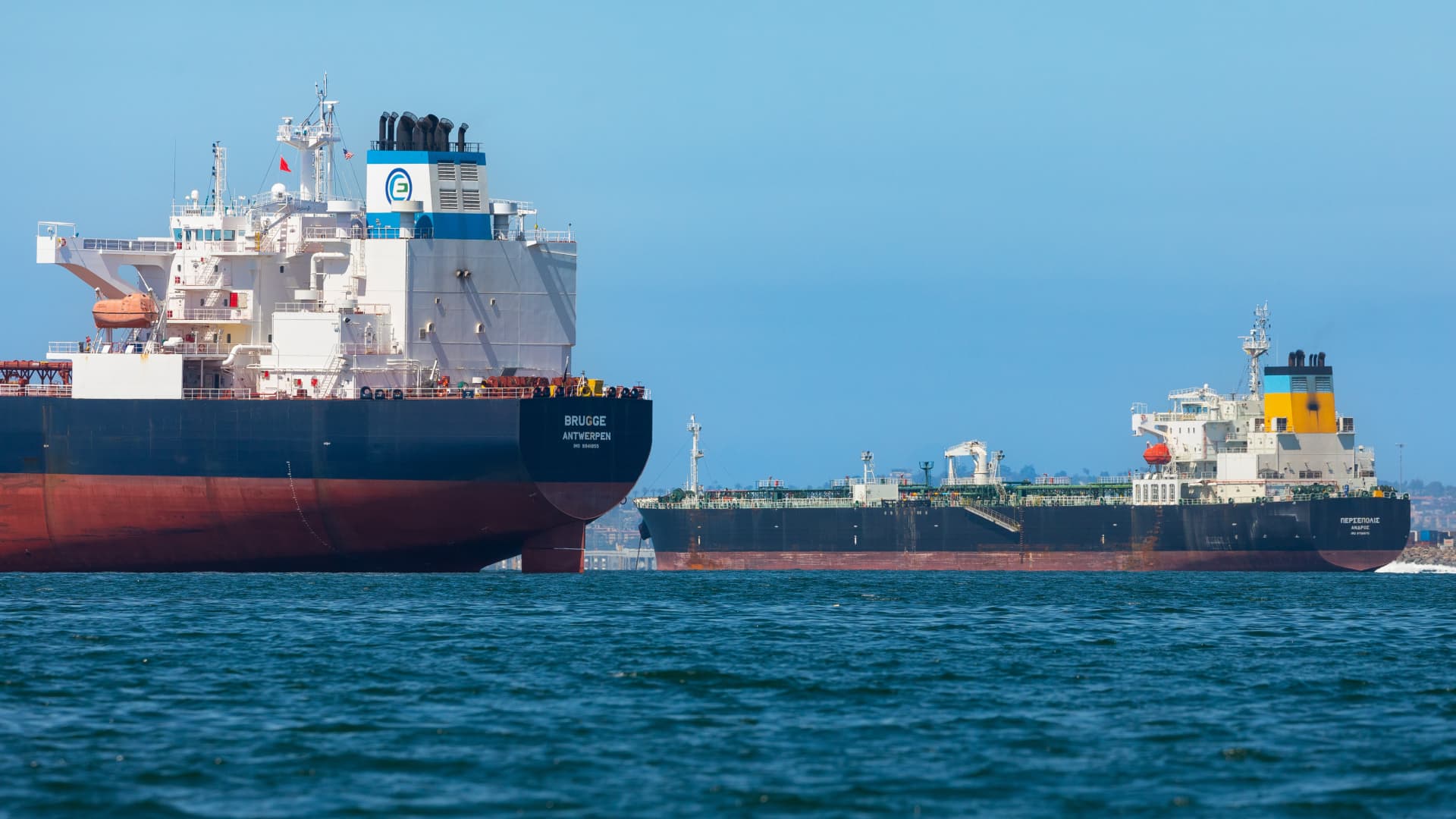
The U.S. Treasury has given Iran a 60-day opening to produce and sell crude, petrochemicals and petroleum products in U.S. dollars. For investors, the change matters because it could put more Iranian barrels into global oil markets and change buying patterns in China, the biggest customer for Iran’s crude.
The Treasury on Monday issued what it calls General License X, authorizing transactions tied to Iranian oil and petroleum products through Aug. 21. Sanctions are financial and trade penalties that restrict who can do business with a country or company. This waiver temporarily removes several of those restrictions for Iran’s energy sector.
The authorization covers oil production, sales, dollar payments, petrochemicals and certain shipping activity involving vessels and entities that had been under U.S. sanctions. It also creates a theoretical path for U.S. imports of Iranian crude, a trade that has been largely absent since the 1990s, according to data from the U.S. Energy Information Administration.
The move comes as Washington and Tehran continue talks aimed at a permanent peace agreement. The latest relief followed a memorandum of understanding signed last week between the U.S. and Iran, with negotiations in Switzerland ending Monday after what was described as positive progress toward a final deal.
Why the waiver could bring cash quickly
Miad Maleki, a former Treasury sanctions official and now a senior fellow at the Foundation for Defense of Democracies, said the license could free roughly 67 million barrels of Iranian crude sitting in floating storage in the Gulf. He estimated that inventory could be worth $8 billion to $9 billion to Tehran.
Maleki said the key change is that multiple parts of the oil trade were switched on at the same time: production, sales, dollar payments, petrochemicals and protected shipping. In his view, that amounts to a reopening of Iran’s most important source of revenue.
President Donald Trump defended the sanctions relief on Monday, saying any oil proceeds were intended for Iran to buy American agricultural products rather than rebuild its military.
Maritime intelligence firm Windward said Iran shipped 6.79 million barrels of crude last week, the highest level in two months, as U.S.-Iran negotiations advanced. Brett Erickson, managing principal at Obsidian Risk Advisors, said Iranian crude, which often sells below global benchmark prices, could move above Brent if demand strengthens.
China is the market to watch
China buys about 90% of Iran’s oil exports, with independent refiners known as teapots making up a large share of that demand. Teapots are smaller private refineries, often more flexible than state-owned buyers.
The waiver also allows Iran to receive proceeds directly through its central bank. That reduces the need for shadow banking intermediaries, which are opaque payment channels used to avoid sanctions risk.
Maleki said dollar clearing, meaning the use of the U.S. financial system to settle payments in dollars, could prompt Chinese buyers to increase purchases. He said both state refiners and teapots may use the 60-day period to refill inventories before the waiver expires.
JPMorgan said China’s crude imports fell by 4.8 million barrels per day between February and May, a larger decline than the 4 million barrel-per-day drop seen during the second half of 2020. Muyu Xu, senior oil analyst at Kpler, said a clear pickup has not appeared yet because buyers are still reviewing the new authorization and running internal compliance checks.
Xu said Chinese interest is likely to rise, while actual purchases will depend on prices and available cargoes. Michael Feller, chief strategist at Geopolitical Strategy, said Iran is likely to use the window to repair war-damaged oil facilities and secure longer-term agreements with Chinese buyers.
This story draws on original reporting from CNBC.