China PMI July 2026 falls into contraction as export rush fades
China’s official factory PMI dropped to 49.2 in July, raising pressure on Beijing as exports and retail activity show strain.
By Priya Nair · Economy Reporter
· 3 min read
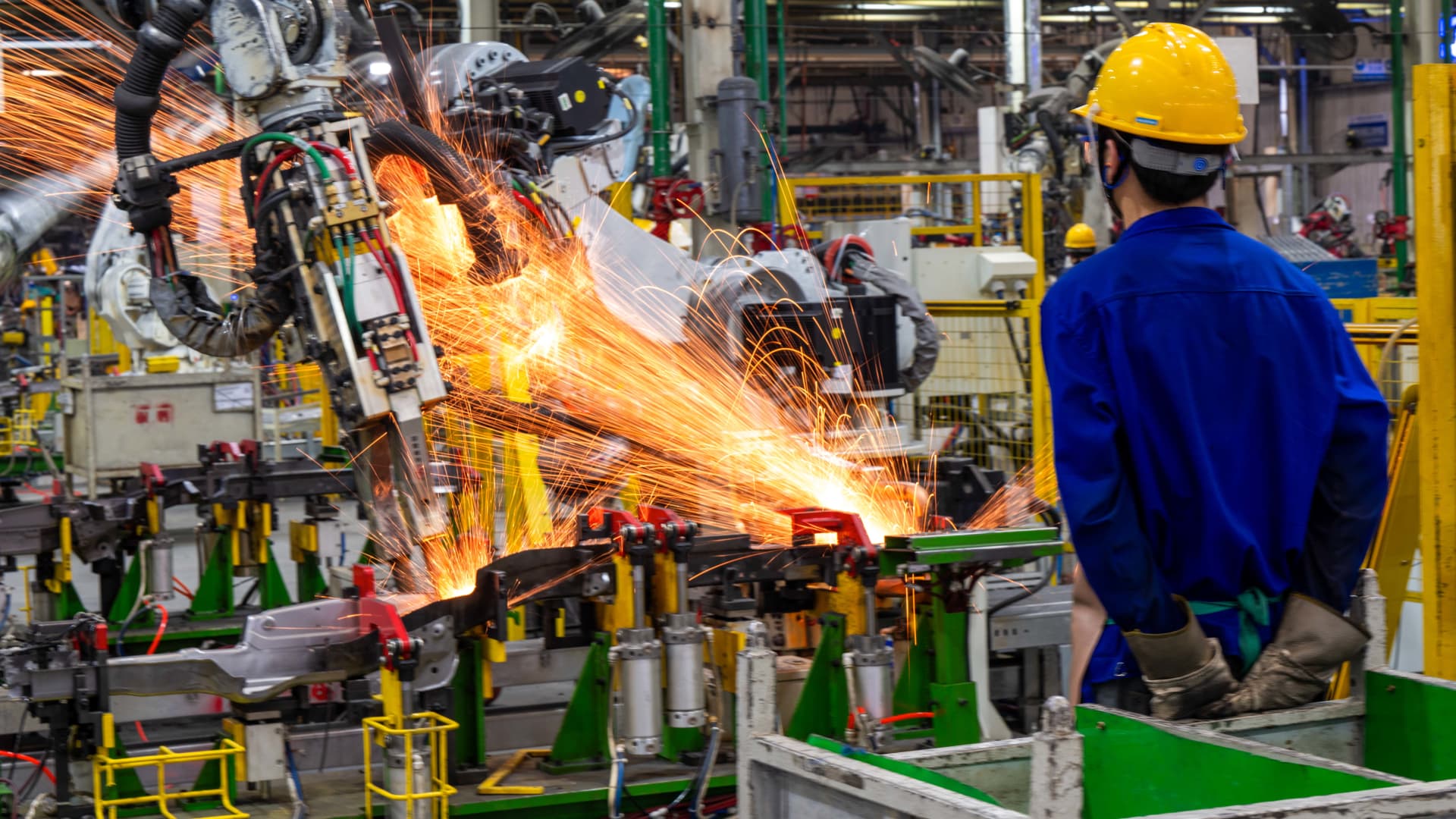
China PMI July 2026 data showed factory activity slipping back into contraction, a warning sign for investors watching global growth, commodities and companies tied to Chinese demand. The official manufacturing purchasing managers’ index fell to 49.2 in July from 50.3 in June, according to National Bureau of Statistics data released Friday.
A PMI, or purchasing managers’ index, is a survey-based gauge of business conditions. A reading above 50 points to expansion, while a reading below 50 signals contraction.
The July number missed economists’ median forecast of 50.0 and ended four straight months of expansion. It was also the weakest reading since February, according to the National Bureau of Statistics data cited Friday.
Why did China’s factory activity contract in July?
The slowdown came as an earlier burst of export activity began to fade. Export demand had helped support China’s second-quarter rebound, but signs of stress are now showing in factory orders and shipments, according to China Beige Book.
China Beige Book said U.S.-bound shipments fell for the first time in several months in its July survey. The research firm also found that factory activity slowed during the month and that manufacturing had its weakest employment performance, with job growth worsening across every sector it surveyed compared with a year earlier.
That marked a shift from June, when shipments to the U.S. rose 14% and overall exports jumped 27%, the fastest pace in nearly five years. Businesses had pulled orders forward before expected higher U.S. tariffs later in the summer, according to the report.
Manufacturers were preparing for possible additional levies tied to President Donald Trump’s Section 301 probes after a 10% broad-based duty expired on July 24. Tariffs can change trade flows by raising the cost of imported goods, which may push companies to ship early, delay orders or move sourcing plans.
What is Beijing doing about the slowdown?
The PMI report landed one day after China’s top policymakers acknowledged “difficulties and challenges facing the economy” at a mid-year meeting, according to a statement carried by Xinhua. Policymakers pledged to speed up fiscal spending and introduce “incremental policies” to support growth in the second half.
Fiscal spending means government outlays, often on areas such as infrastructure, public services or other programs intended to support demand. For investors, it matters because stimulus can affect sectors ranging from industrials and materials to consumer companies, depending on where the money goes.
China’s economy expanded 4.3% from a year earlier in the second quarter, the slowest pace in more than three years. That growth rate was below the lower end of the country’s full-year target range of 4.5% to 5%.
The pressure is not limited to factories. China Beige Book found that retail sales declined in July from both the prior month and a year earlier. Travel and restaurants saw a sharp year-over-year downturn, according to the firm.
For retail investors outside China, the key read-through is that weaker factory and consumer data can ripple through multinational earnings, commodity demand and Asian supply chains. The July PMI does not settle where China’s economy goes next, but it gives markets a fresh data point showing that export strength alone is becoming harder to rely on.
This story draws on original reporting from CNBC.