One Wish Willow Economy uses horror premise to explain economic trade-offs
A commentary uses the fictional One Wish Willow to show why lower rates, prices or stock values can arrive with damaging conditions.
By Sofia Marchetti · Columnist
· 3 min read
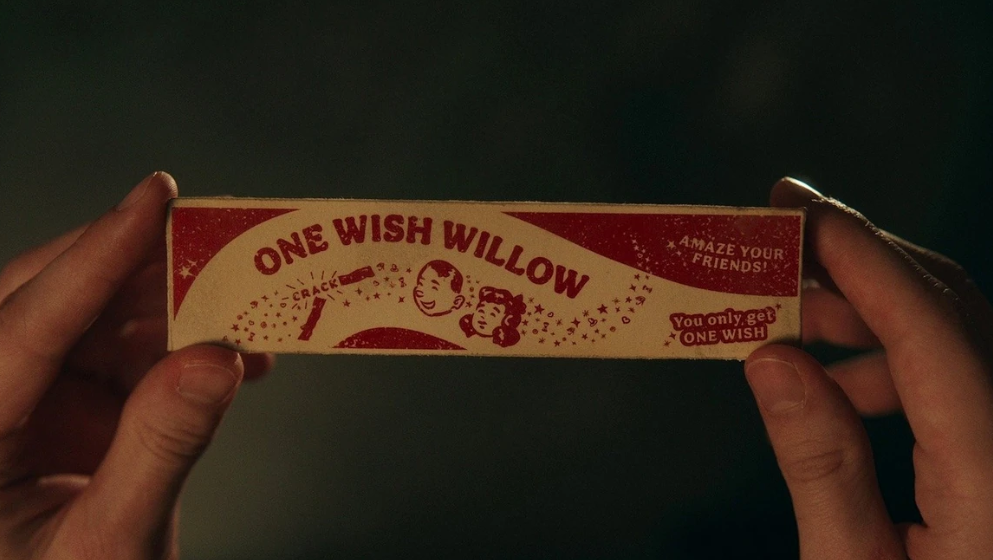
The One Wish Willow Economy is not a policy plan or an economic theory. It is a commentary that uses the cursed-wish premise of the horror film Obsession to make a practical point for investors and households: a welcome number, such as a lower mortgage rate or cheaper home, may reflect conditions that also make it harder to benefit from it.
The framing comes from a post published by A Wealth of Common Sense. Its argument is that economic outcomes come as a package, rather than in isolation. The post presents hypothetical scenarios, not forecasts or claims that each result must have one cause.
The fictional device is a store-bought wish-granting item in Obsession. A Forbes explainer says the film follows a character whose wish for a friend’s love produces destructive consequences, while leaving the object’s origin unclear. The promotional One Wish Willow site depicts the item as activated by snapping it in half and says wishes are permanent.
What does the One Wish Willow Economy mean?
It means looking past the headline figure. If someone wants a 3% mortgage rate, for example, the commentary asks what might push rates down. Its hypothetical answer is a recession with rising unemployment, weaker income growth and a falling stock market. In that setting, lower borrowing costs may not help a household facing job insecurity or stricter access to credit.
The same logic applies to consumer prices. The post imagines a return to 2019 price levels through a severe deflationary period, meaning broad price declines. It argues that such an environment could encourage consumers to postpone purchases, pressure company revenue and profits, weaken gross domestic product, and raise the real burden of existing debt. It also pairs the scenario with wage cuts.
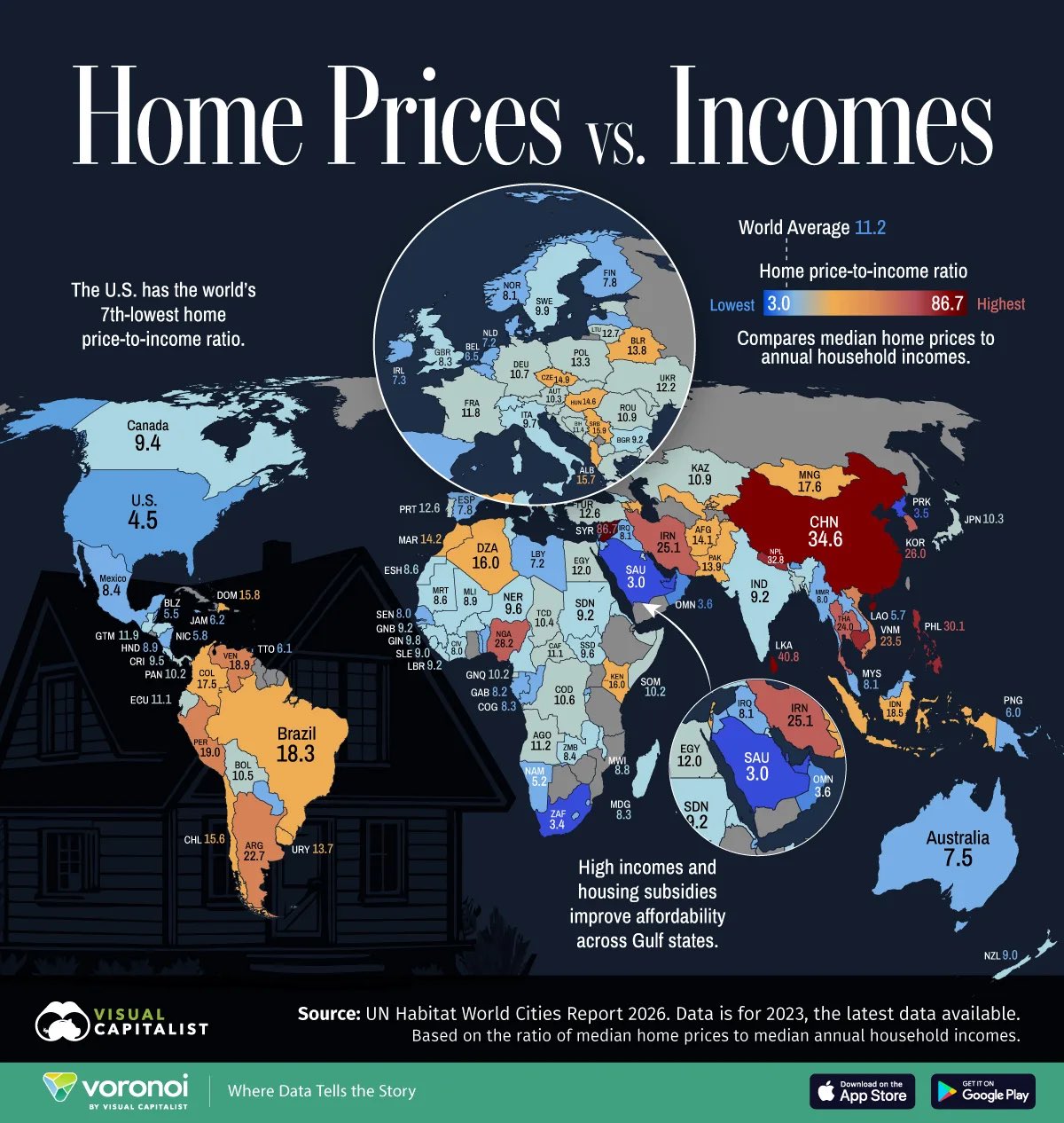
For housing, the commentary says sharply lower prices could be accompanied by bank failures, layoffs, reduced household wealth and lending standards that restrict who can borrow. A lower listing price does not automatically make a purchase affordable if a buyer cannot qualify for a loan or lacks a stable income.
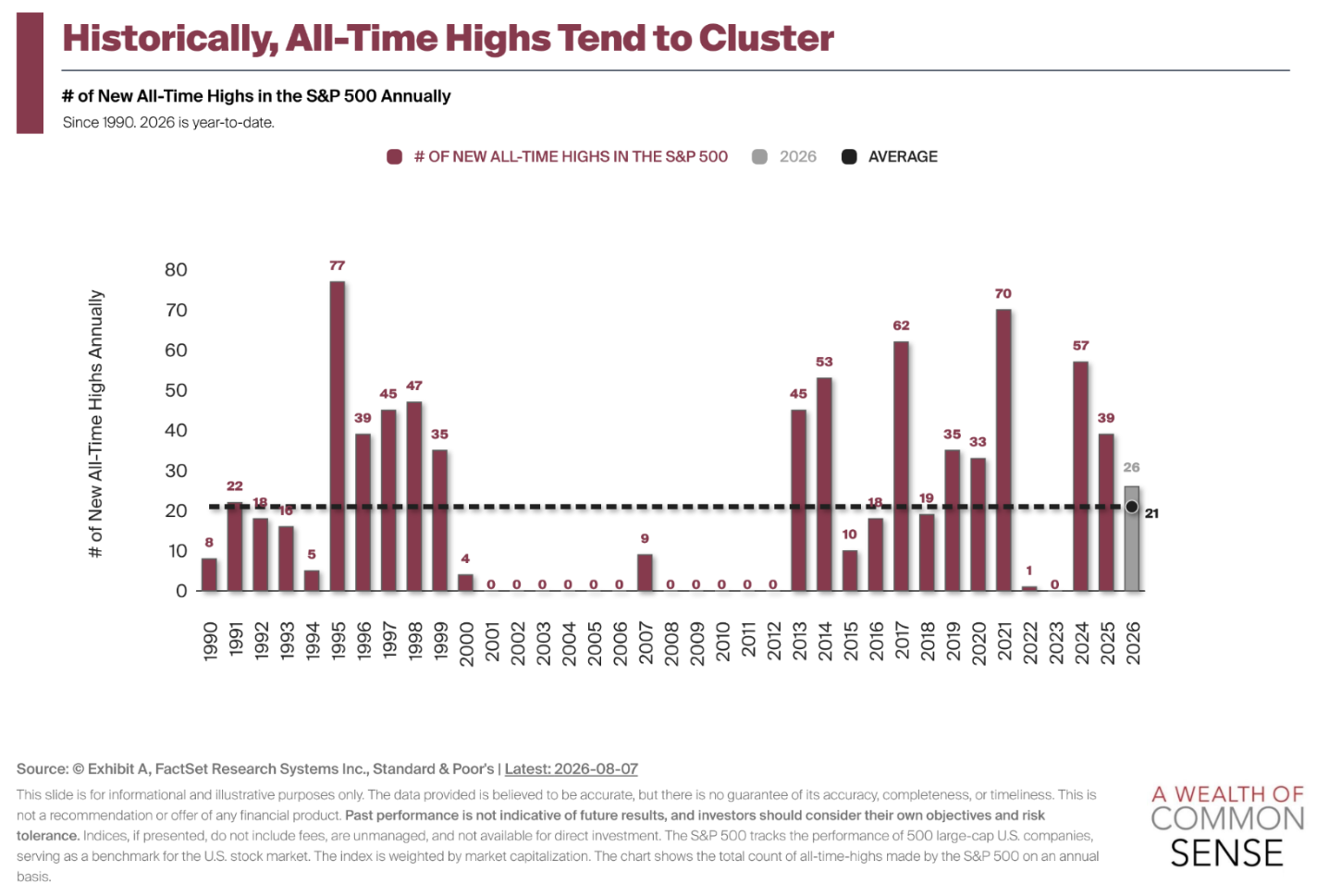
It applies the point to stocks as well. The post notes that past 50% market declines occurred during periods including the Great Depression, the 1937 downturn, the 1973-74 inflation episode, the dot-com collapse and the global financial crisis. A market selloff can lower entry prices, but it can also coincide with a difficult economy and financial stress.
What should investors take from the comparison?
The useful test is to ask which conditions could produce the outcome being sought, then ask whether those conditions would leave people able to use it. That does not mean lower rates, slower inflation, cheaper homes or falling stocks are inherently harmful. The commentary’s narrower point is that each figure needs context.
The post contrasts what it characterizes as the 2010s, with low inflation and rates but slow growth and stagnant wages, against the 2020s, with stronger growth and wage gains alongside higher inflation and borrowing costs. Those are broad descriptions from the commentary, rather than a data-backed comparison in the material cited.
In the film’s promotional material, the Willow is explicitly single-use and irreversible. The economic metaphor is less dramatic but similar: before wishing for one number to change, consider the rest of the economy that may change with it.
This story draws on original reporting from A Wealth of Common Sense.